Why Some Xiaohongshu Posts Keep Bringing Leads for 30 Days and Others Die in 3
Some Xiaohongshu posts keep bringing leads for 30 days and others die in 3 because they are doing different jobs. One behaves like a searchable proof asset. The other behaves like a campaign.
That distinction matters more than most brands think. On Xiaohongshu, the posts that keep generating saves, comments, DMs, and qualified questions are usually not the ones that looked best on launch day. They are the ones that stayed useful after the first wave of attention passed.
If you only judge a post by first-day likes, you miss how Xiaohongshu actually compounds. For many foreign brands, especially in high-trust or high-consideration categories, the real value shows up later: when users search, save, return, compare, and finally ask a question.
Quick answer: Xiaohongshu rewards useful proof, not just launch-day noise
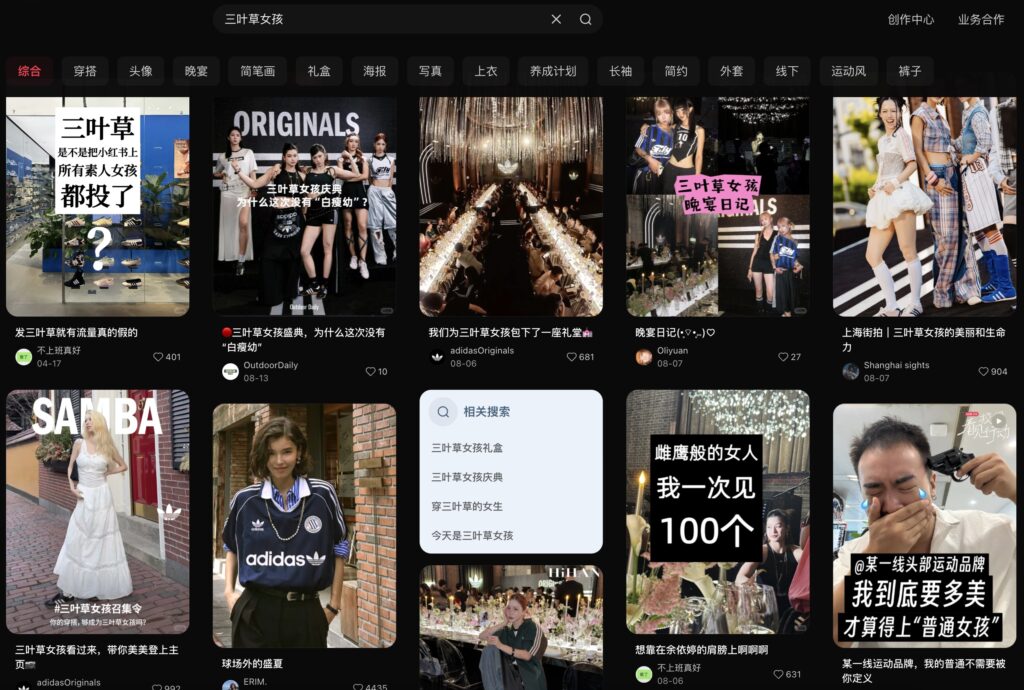
Xiaohongshu is closer to a search-plus-trust platform than a pure entertainment feed. Users browse, but they also search with intent, save things for later, and revisit posts when they are closer to a decision.
That means a post can keep working long after the first publishing window if it does three things well:
- answers a real question
- feels specific enough to trust
- gives the user a reason to come back
A post that only creates a short spike usually does the opposite. It may look sharp, but it does not leave much to return to.
The user journey is often slower than brands expect. Someone may first see a note while casually browsing, then search for the same topic a few days later, save the post when comparing options, and only reach out after another internal discussion or budget check. If your content still makes sense at each of those moments, it keeps working. If it only works as a launch-day impression asset, it fades fast.
What compounding posts usually have in common
The first common trait is searchable language. A compounding post usually matches the way users actually search. It includes the product, problem, city, scenario, or comparison angle clearly enough that Xiaohongshu can keep resurfacing it in relevant moments.
The second trait is save-worthy utility. People save what they may need again. A checklist, side-by-side comparison, “what to ask before choosing,” or specific service detail can outperform a broad brand message because it stays useful after the first read.
The third trait is scenario-driven proof. A post that shows what happened, what to expect, what changed, or what the customer learned is easier to trust than a post that only claims the brand is strong.
The fourth trait is a clear next question. The best Xiaohongshu posts do not always push for conversion directly. They make the user think, “I should ask about this.” That is often what leads to the DM, WeChat add, or inquiry later.
For Twish, this is the most practical way to think about compounding content: it behaves less like a post and more like a small proof page.
This is also why overly broad content often underperforms. “Our brand is premium” is not very searchable, not very saveable, and not very actionable. “What Chinese users ask before booking X,” “3 mistakes when choosing Y,” or “How this service works for first-time buyers” gives the platform and the user something concrete to work with.
Why likes are a weak KPI and saves are more useful
Likes are easy to overvalue because they are visible and immediate. But likes often reflect quick agreement, passing interest, or casual approval. They do not always signal buying intent.
Saves are different. A save usually means the user thinks the content may matter later. On Xiaohongshu, later is where many valuable decisions happen.
That is why the hierarchy of signals often looks more like this:
| Signal | What it often means |
|---|---|
| Like | “I noticed this.” |
| Save | “I may need this again.” |
| Comment | “I want clarification or recognition.” |
| DM | “I am willing to move closer to action.” |
| Qualified lead | “This is now commercially relevant.” |
This does not mean likes are useless. It means they are weaker as a commercial predictor than saves, comments, and DMs. A post with modest likes but strong saves can be far more valuable than a post with broad superficial engagement.
Why some posts die quickly
The first reason is that they look too much like ads. Xiaohongshu users are comfortable with brand content, but they still expect it to feel native. If the post reads like a polished campaign dropped into the platform, users may scan it once and move on.
The second reason is weak search fit. If the wording is broad, emotional, or vague, the content has little chance of resurfacing when someone searches with intent later.
The third reason is that the post offers no next step. It may generate attention, but not curiosity strong enough to trigger a comment, save, or message.
The fourth reason is lack of proof. Generic claims fade. Specific detail lasts longer.
This is why many short-lived posts are not truly “bad.” They are simply built for launch attention rather than repeated value.
What to boost and what to leave alone
If a post already shows strong saves, useful comments, repeated profile visits, or early DMs, that is usually a better candidate for paid amplification. The market is already telling you that the content has intent.
If a post has clean visuals but weak organic signal, paid often just magnifies the weakness.
A practical rule is simple: boost proof, not hope.
That aligns with Twish’s larger view on How to Advertise on Xiaohongshu for Foreign Brands: paid should make a working message travel further, not rescue a message the market already ignored.
In practice, the posts worth backing usually show one or more of these early signs:
- saves that are strong relative to likes
- comments that ask follow-up questions instead of leaving generic praise
- profile visits or DMs that continue after the first push
- a topic angle you can clearly imagine users searching again later
That is not a magic formula. It is a practical filter for deciding where to put more budget and what to leave behind.
Long-tail Xiaohongshu performance
Twish POV
The most useful mental model is this: a compounding Xiaohongshu post is doing the work of search, proof, and pre-qualification at the same time. It can still be found, it still feels relevant, and it still helps a user make progress. If the post is tied to a good handoff, whether through DM, WeChat, WeCom, or another conversion path, it can keep producing business value well after launch.
This also connects directly to Twish’s broader Xiaohongshu view in Xiaohongshu marketing for foreign brands and Xiaohongshu lead generation tools. Tools matter, ads matter, and amplification matters. But content longevity still starts with whether the post deserves to be saved, searched, and revisited.
Conclusion
Some Xiaohongshu posts keep bringing leads for 30 days and others die in 3 because one acts like a searchable proof asset and the other acts like a temporary campaign. If you want longer-tail performance, optimize less for launch-day likes and more for saves, search fit, specific proof, and the next useful question. On Xiaohongshu, the posts that compound are usually the ones that remain useful after the first burst of attention is gone.